
March 25, 2026 l Business Mirror
The Philippine economy is currently navigating a perfect storm.
As geopolitical volatility in the Middle East continues to exert upward pressure on global crude benchmarks, the domestic impact has been nothing short of staggering. With diesel and gasoline prices witnessing double-digit hikes, the Department of Trade and Industry (DTI) has stepped into the breach with a suite of logistics-based interventions aimed at tempering the inflationary surge.
Trade and Industry Secretary Maria Cristina A. Roque has proposed a moratorium on the government share from port fees at our major gateways. This is complemented by a voluntary two-month toll discount program for Class 3 vehicles and the expanding logistics guild of 30 firms committed to rate stability. On paper, these represent a commendable effort to manage the triple bottom line by protecting the supply chain of basic necessities.
However, for our micro, small, and medium enterprises (MSMEs), the stakes are far higher. MSMEs lack the economies of scale to absorb fuel surcharges, often operating on razor-thin margins where the movement of goods is sometimes more expensive than the product itself. While the DTI’s Supply Chain and Logistics Center offers a buffer through pro bono advisory and pledged shipping discounts, many local traders remain vulnerable to hidden costs that threaten their very survival.
Netizens have raised valid concerns regarding the mathematical efficacy of these measures, pointing out that port fees represent a mere 3% of the retail price of essential goods. When compared to a P20 per liter jump in fuel costs, the relief offered feels like a drop in the bucket. There is also the matter of long-term sustainability; the Philippine Ports Authority has rightly noted that a total revenue freeze could jeopardize the livelihoods of over 8,000 workers and stall critical port modernization.
Beyond immediate relief, the DTI is looking toward the Electric Vehicle Industry Development Act (Evida) to erase range anxiety and offer a future-proof alternative to fossil fuels. But this pivot feels more like a press release than a tangible shift. Despite the promise of the evida, the rollout of charging infrastructure remains agonizingly slow and largely confined to urban enclaves. It seems the DTI has yet to walk the talk, lacking a clear strategy to localize manufacturing or provide meaningful incentives for MSMEs to modernize their fleets.
Ultimately, the DTI must pivot from these micro-interventions toward macro-level structural reforms.
Roque should not resort to insensitive, knee-jerk measures like her statement last Christmas that Filipino families can have a noche buena meal for only P500. The country’s impending fuel shortage is worsened by the DTI’s failure to prevent hoarding and profiteering by unscrupulous gas station owners.
We need the kind of regulatory boldness recently displayed by the Securities and Exchange Commission (SEC). By enforcing strict nine-year caps on independent directors and proposing a 10-year cumulative limit for overstaying broker directors on the Philippine Stock Exchange board, the SEC has signaled that entrenched interests must give way to fresh perspectives.
This move has gained significant momentum, with the Financial Executives Institute of the Philippines (FINEX) joining other major business groups in a collective statement of support.
The FINEX emphasized that such reforms are constructive steps toward reinforcing independence and enhancing the credibility of our securities system. This spirit of structural renewal must be applied to our logistics sector–moving away from temporary fee waivers and toward dismantling the systemic inefficiencies that keep transport costs among the highest in the Southeast Asian region.
Resilience depends on more than just these micro-solutions. The real elephant in the room remains the fixed excise taxes under the TRAIN Law. Logistics cost-control is a necessary pillar, but without an aggressive roadmap for electrification and systemic tax flexibility, the transition to a sustainable economy risks leaving our small-scale providers stranded. We must ensure the wheels of commerce keep turning without crushing the very people they are meant to serve.
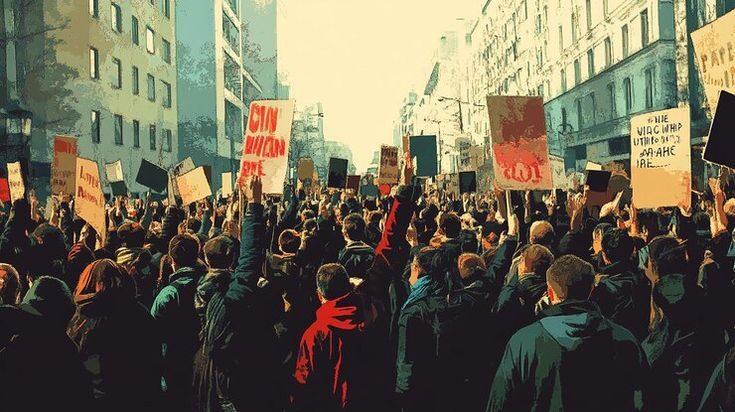
***The views expressed herein are his own and do not necessarily reflect the opinion of his office as well as FINEX. For comments, email nextgenmedia@gmail.com. Photo is from Pinterest.