
January 16, 2026 l The Manila Times
Recent surveys on perceptions of corruption conducted by the Social Weather Stations (SWS) in September and December revealed some troubling insights, which includes Filipinos thinking that insider trading in stocks is not inherently corrupt.
This might be due to a lack of awareness of our capital markets, but it also reflects a broader cultural acceptance of insider advantages in business and politics. Make no mistake, insider trading is not a victimless crime; it is a systemic threat to investor confidence and market integrity.
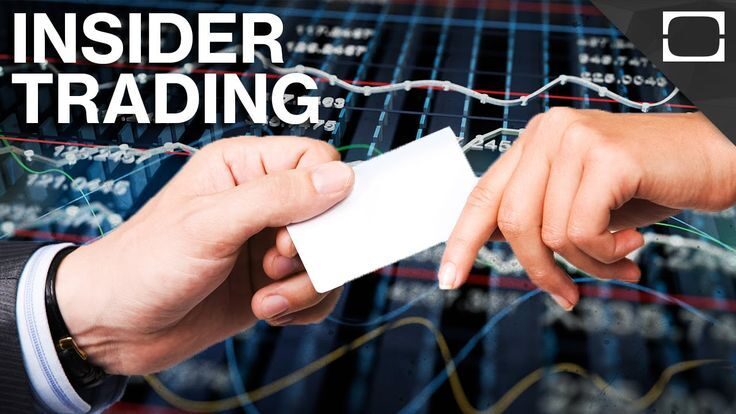
Insider trading may seem complicated, but the idea is simple and the consequences are serious. A well-known example: In 2001, American television personality Martha Stewart sold shares in a pharmaceutical company called ImClone Systems just before bad news became public and the stock price collapsed.
Stewart received a call from her stockbroker, who told her that the company’s founder and chief executive was selling his own shares. The information was not public. The CEO’s unloading of shares strongly suggested that negative news was coming. Soon after, regulators rejected ImClone’s drug application, and the stock price plunged.
Stewart sold her shares before the announcement and avoided losses that ordinary investors, who lacked access to this information, could not do. This is insider trading in practice — acting on material non-public information, which is significant enough to influence a stock price that has not yet been disclosed to the public.
Stewart ultimately went to prison, not for insider trading itself, but for lying to investigators about how and why she sold the shares. The case sent a strong message: even famous, wealthy, and well-connected people are not above market rules.
Trading on such information gives insiders an unfair advantage and undermines the principle that markets should treat all investors equally. This is why insider trading is illegal under Philippine law, and why tolerance for it is dangerous.
The rules are clear. Using confidential information or acting on tips that others do not have access to undermines market fairness and trust.
This is why investors should be cautious on rumors, “inside tips,” or trading based on chismis. Asking insiders for help, or trading based on whispers, may be tempting, but it exposes investors to legal risks and ethical issues. More importantly, it reinforces a system where unfair advantage replaces transparency.
Stock markets rely on trust. Investors buy shares believing that prices reflect publicly available information. Confidence collapses when people think insiders can profit unfairly, leading many to avoid investing altogether and weakening markets.
The damage extends beyond individual investors. When confidence drops, trading activity decreases, making it even more challenging for businesses to raise capital. A weaker stock market ultimately leads to fewer opportunities for business growth, job creation, and economic expansion.
Foreign investors are particularly sensitive to these risks. They have many choices globally and will avoid markets with weak governance or selective enforcement.
Yet foreign participation in the Philippine Stock Exchange is crucial. It brings capital, deepens liquidity, improves price discovery, and encourages higher standards of transparency and accountability among listed companies.
Philippine laws are explicit, and market regulations are in place to ensure that no one gains an unfair advantage through access to confidential information. The challenge is not the absence of rules, but the everyday choices investors make in how they participate in the market.
For individual investors, the lesson is simple. Know the rules. If information is not publicly available, it should not guide your investment decisions.
Ultimately, investing is about more than just returns. It also involves values. Investors should select companies that are transparent, well-governed, and fair to all shareholders.
Over time, these are the companies that gain trust, attract long-term capital, and contribute to a stronger, more credible stock market. After all, trust remains the most valuable asset in the capital markets.
***The views expressed herein are his own and do not necessarily reflect the opinion of his office as well as FINEX. For comments, email eaquahiansen@phinma.com.ph. Photo is from Pinterest.