

December 19, 2025 l The Manila Times
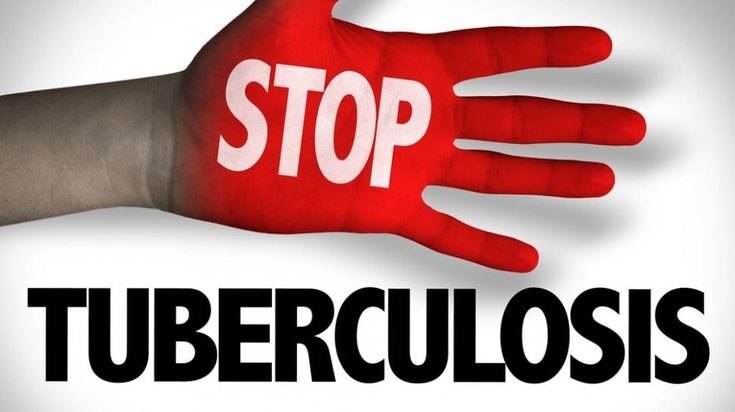
As a director of the Philippine Tuberculosis Society, Inc. (PTSI), my advocacy extends beyond treating TB — it must also confront one of the strongest drivers of the disease: smoking in all its forms, including vaping.
A recent article in The Economist noted that anti-smoking campaigns are working in advanced economies. But in developing countries, tobacco and nicotine products continue to gain traction, especially among the young.
In the Philippines, this reality undercuts prevention and cure. Tuberculosis remains one of the country’s gravest public health threats.
According to the latest data from the World Health Organization, the Philippines accounts for about 6.8 percent of all TB cases worldwide, placing it among the highest-burden countries — third globally in recent reports — with an estimated 500 new cases per 100,000 population. This categorizes the nation as “severely endemic.”
Despite being preventable and curable, TB among Filipinos is undiagnosed and untreated since only 43 percent of cases are reported.
Roughly one in five Filipino adults are smokers, with male smoking prevalence over three times higher than that of females. Among the youth, smoking exposure and experimentation are also concerning.
Smoking is a significant cause of TB infection. Scientific reviews estimate that smoking increases the risk of adult TB disease by weakening lung defenses and immune response. Among Filipinos, smoking compounds the TB challenge by increasing susceptibility to infection, slowing recovery, raising relapse risk, and elevating mortality.
Parallel to traditional smoking, vaping has grown rapidly, especially among Filipino youth. Among 18- to 19-year-olds, vaping rates have risen from 7.5 percent to nearly 40 percent, according to data. Another study found that one in seven students aged 13–15 already uses e-cigarettes.
The belief that vaping is “safe” or “less harmful” is a misconception. While some e-cigarette products contain fewer of the traditional toxins found in cigarette smoke, they still contain nicotine and other particles that inflame and damage the lungs. This can impair immune defenses which the body needs to resist TB infection and progression. Worse, early nicotine addiction increases the likelihood that young vapers eventually take up cigarette smoking.
It is not a benign alternative in a country with one of the world’s highest TB burdens. Public health strategies must include strong anti-vaping education and regulation, especially among the youth, to prevent a new generation of lungs vulnerable to respiratory disease.
Aggressive case finding
At PTSI, we are intensifying efforts on the treatment side of the TB equation through aggressive active case finding. We have pioneered the use of ultra-portable chest X-ray units integrated with AI-assisted diagnostics — a strategy that brings next-generation screening into communities that have never had access to quality TB diagnostics.
These portable units have been deployed in rural provinces and island communities, such as Guimaras, where we launched a free mass TB screening initiative. Residents who previously lacked access to X-ray facilities can now be screened on the spot, with immediate linkage to confirmation testing if needed.
Newly diagnosed individuals are also enrolled in free Directly Observed Therapy, Short-course (DOTS) treatment at PTSI branches, ensuring they begin life-saving therapy without cost.
There is, however, a sobering reality: PTSI cannot shoulder the full burden of treatment provision at the scale that national incidence demands. In the past year, PTSI secured a USAid grant to expand screening and diagnostic capacity. But in a disappointing development, that grant was suddenly withdrawn.
The Department of Health must ensure a steady, uninterrupted supply of TB medicines nationwide. Every person we find through active case finding must be started promptly on treatment. Delays due to stockouts or budget gaps are opportunities for the disease to spread and worsen.
The fight against TB must be two-pronged:
First, prevention, through sustained anti-smoking and anti-vaping campaigns targeting adults and youth alike.
Second, cure, through robust active case finding linked to guaranteed, timely treatment with no gaps in medicine supply.
The country cannot afford to advance one without the other. But the question is not whether we can end TB, but whether we can muster the political will, resources, and societal resolve to do so.
***The views expressed herein are his own and do not necessarily reflect the opinion of his office as well as FINEX. For comments, email benel_dba@yahoo.com. Photo is from Pinterest.