

July 1, 2026 l Business Mirror
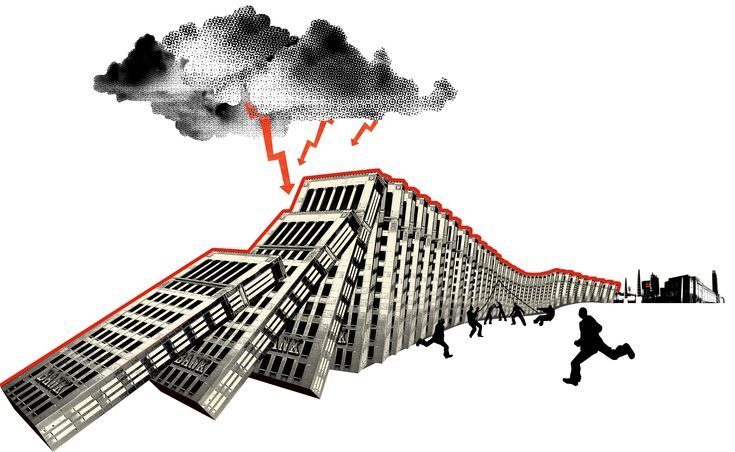
Stagflation is a situation where there is a simultaneous occurrence of high prices (inflation), slow economic growth (drop in gross domestic product), resulting in unemployment. It is an economic conundrum devoutly to be avoided by nations.
But no matter how government men turn purple in the face with denials, the recent figures of 7.2 percent inflation and 2.4 percent GDP growth rate. punishes Juan de la Cruz economically. The cost of energy (the Philippines being 90-percent dependent on Middle East oil) and the faltering peso-dollar rate (from P55:$1, to P61 to today’s P60-plus) present a negative double whammy.
The WTI Crude Oil index may have dropped to $70/ barrel of oil (from over $100/barrel at the peak of the US-Iran war), with the memorandum of understanding between Washington and Tehran, but the destruction of oil and port refineries in the Middle East leads analysts to think the real significant reduction in domestic oil prices here will take about a year.
On the other hand, government spending has slipped due to curation (owing to the impact of the flood control mess), foreign direct investments down 17 percent, and the consumer demand is weakening (inflation and unemployment). The Philippines would be lucky to hit the Asian Development Bank’s forecast of 4.4 percent GDP growth rate for 2026 versus the government’s medium-term targets of 6 percent to 8 percent. for the rest of the BBM years. The figures are miles apart.
Debt-to-GDP ratio
AN international prudential (not legal) standard for sovereign targets is to keep the debt-to-GDP ratio at 60 percent. That was already breached in 2024 at 60.7 percent, though not that alarming. However, in 2025, with the ballooning of the “unappropriated fund,” which aided in the discovery of the scandalous P1-trillion flood control mess, this ratio shot to 63.7 percent debt-to-GDP ratio by the end of 2025.
With the GDP growth rate in 2026 certain to be anemic and debt levels likely not to decelerate significantly as we need a trillion pesos for debt servicing in a year alone, this 63.7 percent debt-to-GDP ratio could worsen and negatively affect the perspective of investors/debtors to the Philippines, demanding higher interest rates and more stringent returns in investments, in consideration of the heightened sovereign risk.
Fiscal panic?
Realizing that a lower GDP really mean fewer sources for taxes, it seems some government finance people apparently panicked in order to shore up other non-tax sources of funding inflow. Anything to stop the widening financing gap and the fiscal deficit?
Recently, the government sold government assets like the Caliraya- Batacan-Kalayaan hydro plant and the Nonoc Mining for a combined value of about P37 billion. The Department of Finance plans to further privatize assets to generate some additional P100 billion. They include the Food Terminal Property in Taguig, NLEX Corp. government holdings, SMC SLEX government holdings, the Financial Center Area in Pasay, Mile Long Property in Makati, and the Atrium Condominium.
People have been brought to court due to the government’s illegally transferring P60 billion in PhilHealth “excess funds” to the National Treasury, which the Supreme Court ordered returned. A law mandated that the sin taxes were to be exclusively used for PhilHealth usage, in the face of a lack of benefits to the beneficiaries, and some hospitals remaining unpaid. The “plunder” case against DOF people did not, however, prosper.
The most controversial “fundraising” event made by the government was when the central bank sold 25 metric tons in the first half of our gold reserves. Although the proceeds did not go directly to the Treasury, the Bangko Sentral ng Pilipinas (BSP) has been questioned about the efficacy and necessity of the massive gold reserve sale after the prices of gold zoomed the following year, following the controversial BSP sale.
The BSP called it “reserve management strategy,” except that some $700 million to $900 million was the resulting differential between the selling price of the BSP (2024) and the prevailing gold price obtained thereafter (2025). Our research shows that the average gold selling price was only between $2,200 to $2,450 an ounce of gold in 2024, compared to $2,650 to $2,770 in the following year in 2025.
It must be mentioned that gold is not the sole form of BSP government reserves. Why the almost “indecent” haste to sell such a great magnitude of gold and at prices, which in hindsight and in fairness, were lower than the next year’s gold prices. At best, this represents an “opportunity cost” of the BSP and an awful thing since the whole government machinery is in dire need of funds.
On top of all these, still some unresolved political issues are also currently bedeviling the economy, making betting on stagflation staying around for the rest of the year as NOT a bad bet.
***The views expressed herein are his own and do not necessarily reflect the opinion of his office as well as FINEX. For comments, email bingo8dejaresco@gmail.com. Photo is from Pinterest.