

May 15, 2026 l The Manila Times
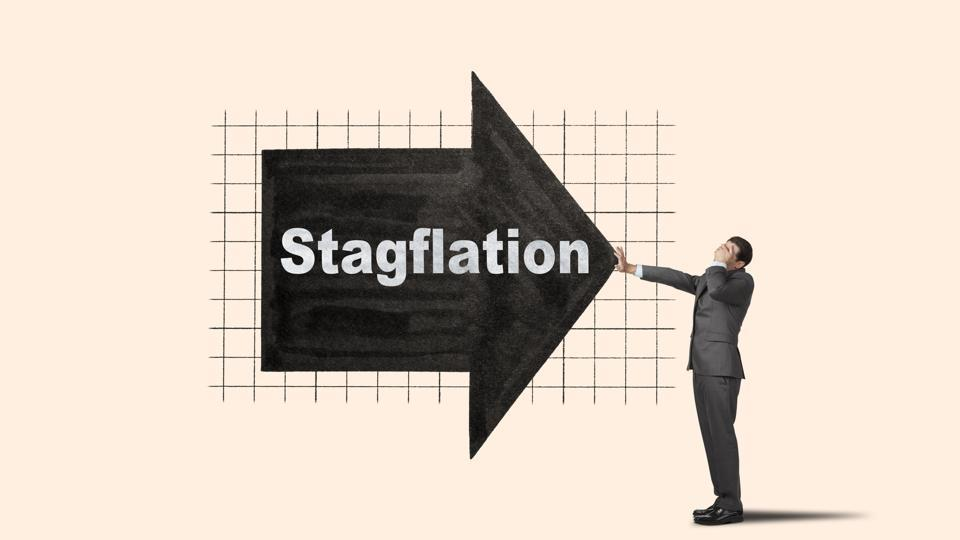
Stagflation is one of the most dangerous economic conditions which combines the worst of both worlds: weak economic growth and persistently high inflation. Businesses struggle as demand slows, while ordinary families suffer from rising prices of food, fuel, transportation, and utilities.
Unlike a typical recession, prices do not fall enough to ease the burden. Unlike a normal economic expansion, wages and opportunities do not rise fast enough to keep pace.
One of the most well-known examples occurred in the United States in the 1970s. After major oil supply shocks, inflation surged to double digits while economic growth weakened sharply. Unemployment rose, consumer confidence collapsed, and businesses faced years of uncertainty.
Restoring stability came with painful interest rate hikes that triggered a severe slowdown. The lesson was clear: once inflation becomes deeply embedded and growth weakens, recovery becomes far more difficult and costly.
This is why recent Philippine economic data warrants close attention. The economy grew by only 2.8 percent in the first quarter, well below expectations and among the weakest in recent years outside the pandemic period. At the same time, inflation accelerated to 7.2 percent in April, the highest level in more than three years.
The Philippines is not yet in a full stagflationary environment, but warning signs are becoming more apparent. Rising global fuel prices, slowing consumption, elevated borrowing costs, and geopolitical uncertainty are putting pressure on businesses and households.
This matters because the Philippines remains highly dependent on imported fuel and vulnerable to supply-side shocks. Higher energy and logistics costs translate to higher food prices, utilities, transportation, and manufacturing costs.
As inflation rises, consumer purchasing power weakens. Even employed households begin cutting discretionary spending, slowing overall economic activity.
At the same time, businesses become more cautious. As economic outlooks decline, companies delay expansion plans, reduce hiring, and prioritize preserving cash. This creates a dangerous cycle in which weaker demand and higher prices reinforce each other.
Avoiding stagflation requires governments to strike a difficult but necessary balance. In simple terms, an economy can either grow its way out of stagflation or bring inflation down to manageable levels. Inflation cannot be addressed through temporary subsidies or price controls alone, and economic weakness cannot be solved by spending that lacks discipline or productivity.
When private-sector confidence weakens, government spending becomes an essential tool for sustaining economic activity and preserving employment. However, spending must focus on productive investments that improve long-term capacity rather than purely short-term consumption.
For the Philippines, this means boosting investments in infrastructure, agriculture, logistics, and domestic energy development. These directly address supply bottlenecks that contribute to inflation while also supporting growth and competitiveness.
But urgency cannot come at the expense of governance. Accelerated spending without accountability risks waste, corruption, and declining public confidence, especially against the backdrop of an impending impeachment trial and changes in the Senate leadership.
Conversely, excessive caution and delayed implementation can allow economic conditions to worsen, making eventual intervention more expensive and less effective. The solution is faster, better execution.
Project approvals should move more efficiently without weakening standards. Procurement should become faster but more transparent. Public spending should be tied to measurable outcomes and verified milestones. The goal is to match the pace of economic need with the pace of well-governed action.
The challenge with stagflation is that there are no quick fixes. Once inflation expectations become entrenched while growth weakens substantially, restoring stability becomes significantly more painful.
For the Philippines, the window for preventive action remains open, but it is narrowing. The country still benefits from strong demographics, a growing services sector, and a resilient workforce.
However, resilience alone is not enough. Economic confidence ultimately depends on credible institutions, disciplined policymaking, and the ability to act decisively before warning signs become a full-blown crisis.
Let us act now before it is too late.
***The views expressed herein are his own and do not necessarily reflect the opinion of his office as well as FINEX. For comments, email eaquahiansen@phinma.com.ph. Photo is from Pinterest.