

March 10, 2026 l Manila Bulletin
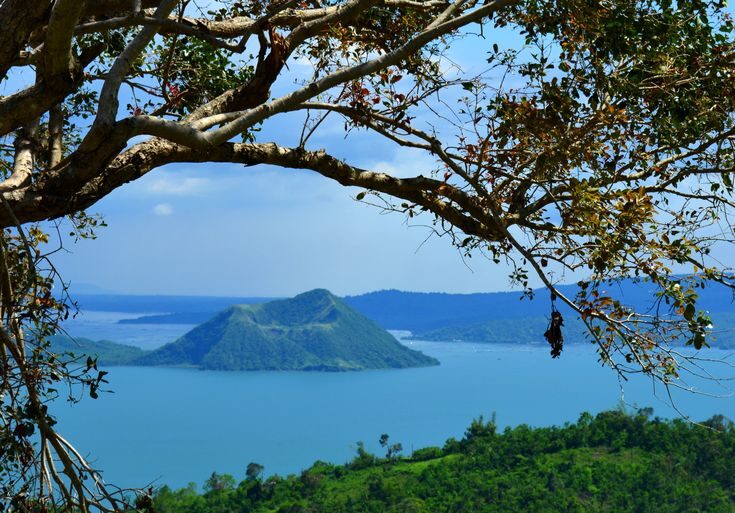
Tourism has always been one of the Philippines’ greatest levers for economic growth. Few countries are as naturally blessed; we boast world-ranking beaches, pristine mountains, a profound cultural heritage, and a people who welcome visitors with genuine warmth. Yet, when I compare our tourism numbers with those of our Southeast Asian neighbors, it is clear we are still falling short of our true potential.
Thailand and Vietnam welcome tens of millions of visitors annually. The Philippines, despite its 7,000-plus islands and a globally recognized brand, continues to lag. The hurdle is not a lack of attractions—anyone who has traversed Palawan, Siargao, Bohol, or Batanes knows the country is extraordinary. Rather, what we lack is a disciplined, systemic approach to growth.
Tourism is often oversimplified as mere destination promotion. In reality, it is a complex ecosystem. A traveler’s experience begins the moment they first encounter the “Philippines” brand and continues long after they return home to share their stories. Every touchpoint matters, from booking flights and securing visas to navigating airports, domestic transit, hotel check-ins, dining, and digital payments. If one link in this chain breaks, the entire journey is compromised.
In our work on tourism development, we often categorize the system into three layers. The first is the national foundation, which includes infrastructure, safety, destination accessibility, and policy. The second is the coordination layer, involving stakeholder alignment, strategic planning, and regional promotion. The third is the experiential layer, where the visitor encounters the country through airlines, hotels, tour operators, and local guides.
The Philippines excels in the third layer. Our resorts are world-class, our dive operators are globally respected, and our guides are famously hospitable. Travelers frequently tell me that the kindness of the Filipino people is their most enduring memory.
The challenges arise in the first two layers. Infrastructure remains a significant bottleneck; many premier destinations suffer from limited flight frequencies or cumbersome transport connections. Furthermore, weak internet connectivity and urban congestion in major hubs dilute the visitor experience. These may seem like small logistical issues, but they define a traveler’s lasting impression of the country.
Governance presents another hurdle. Tourism intersects with various public and private sectors, including national agencies, local government units, airport authorities, and private operators. When these entities work in silos, the result is a fragmented and often frustrating experience for the visitor.
Tourism growth requires radical alignment. Airlines must synchronize with airports, local governments must map their plans to national priorities, and digital platforms must ensure that booking and payments are frictionless. Without this integration, tourism remains a collection of beautiful spots rather than a seamless national experience.
One “quick win” area is event-driven tourism. Globally, sporting events, festivals, concerts, and conventions create a sense of urgency, giving travelers a specific reason to visit at a certain time. We have seen the power of this when hosting international competitions: hotels reach capacity, restaurants thrive, and the economic ripple effect touches multiple industries.
However, events should be a strategy, not just an occasional celebration. Cities like Singapore and Bangkok maintain a rigorous, year-round calendar of global events to ensure steady footfall. The Philippines should adopt a similar national calendar—highlighting everything from regional festivals to esports tournaments—to distribute tourism wealth beyond Metro Manila and into the provinces.
Marketing must also evolve. Most travel decisions today are born on digital platforms. While the Philippines has a visual advantage—a single photo of Palawan can go viral in seconds—marketing alone is not a panacea. The fundamentals must work flawlessly. We need simplified visa procedures, efficient airport operations, seamless inter-island transit, and ubiquitous digital payment options.
Tourism succeeds when many moving parts operate as a single machine. The encouraging news is that our advantages are inherent: a rich culture, diverse culinary influences, widespread English proficiency, and unparalleled natural beauty.
What we need now is execution. By aligning infrastructure, governance, and digital strategy into one coherent blueprint, we can move beyond incremental growth. Tourism is a job creator for boat operators, farmers, chefs, and artisans alike. It strengthens communities and expands local economies. The Philippines does not lack beauty or talent; it lacks a unified plan and the discipline to carry it out. If we can master the system of tourism, travelers will discover that we have always been one of the world’s most remarkable destinations.
***The views expressed herein are his own and do not necessarily reflect the opinion of his office as well as FINEX. For comments, email rey.lugtu@hungryworkhorse.com. Photo is from Pinterest.