
October 10, 2025 l BusinessWorld

Independent directors exist to do one simple but vital job: act as honest, informed watchdogs for shareholders and the public. Their legal and fiduciary responsibilities include overseeing management, ensuring reliable financial reporting, safeguarding minority-shareholder interests, approving related-party transactions only when fair, supervising risk and compliance frameworks, and serving on — often chairing — critical committees such as audit, governance and risk. Corporate-governance codes and stock-exchange rules define an “independent” director as someone free from relationships that would materially impair independent judgment.
That is why announcements by Securities and Exchange Commission (SEC) Chair Atty. Francis Lim about tightening the rules for independent directors are more than housekeeping. The proposals being discussed — security of tenure (fixed three-year elections within an overall nine-year cap), stricter enforcement of the nine-year cumulative limit, and clearer restrictions on exemptions — seek to protect the independence that the role promises.
Under the current practice, annual re-election and routine extensions can create dependency: an independent director who repeatedly seeks the board’s approval to keep the seat may be less willing to challenge management. The SEC’s move to give independent directors a firmer predictable term and to remove easy workarounds for extensions aims to reduce that pressure and allow directors to speak up without fear of immediate replacement.
How does that translate into better outcomes? First, a secure term reduces the “reappointment incentive” that muzzles oversight. Second, a strict nine-year cap prevents entrenched ties between directors and controlling shareholders or management that can accumulate over decades. Third, codifying selection and qualification standards, and enforcing them, raises the signal that independence is substantive, not merely a box to tick. These reforms therefore strengthen three pillars of good governance: transparency, accountability and responsibility.
The stakes are not abstract. Global scandals show what happens when boards — especially their independent members — do not perform their watchdog role. The Enron collapse demonstrated a board that failed to stop high-risk, opaque accounting practices despite red flags; the US Senate investigation concluded the board “failed to safeguard shareholders” and precipitated stricter oversight rules like Sarbanes-Oxley. In Malaysia, the 1MDB affair highlighted how boards and advisors can be bypassed or compromised, allowing massive misappropriation and weak controls to persist. These are stark reminders that weak board oversight translates directly into investor losses and systemic damage.
The Philippines has its own governance research that points to the problem of “gray” or nominally independent directors — people labeled independent but connected in ways that undermine their impartiality. Academic studies and local analyses have documented cases where independent directors lacked the expertise, incentives, or genuine autonomy to challenge dominant shareholders or complex transactions, weakening the board’s role as a check on management. Strengthening tenure rules therefore addresses a recurring structural vulnerability.
What more can be done? In order to build a resilient board culture, the SEC should borrow tested best practices from other markets:
• Majority and committee muscle. Encourage a meaningful presence of independent directors — ideally a majority or at least key committee majorities — and require independent chairs for audit and nomination committees. The CFA Institute and regional governance codes argue that committee leadership by independent directors ensures critical oversight is insulated from management influence.
• Independent chair or separation of roles. Split the CEO and board-chair roles or ensure the chair is independent. This reduces the concentration of power in management. Singapore’s governance code and other jurisdictions emphasize this separation to protect objective oversight.
• Transparent, merit-based nomination and disclosure. Mandate rigorous nomination processes, publish why a nominee qualifies as independent, and require robust disclosure of relationships and related-party dealings. Proxy advisors and institutional investors rely on such transparency to hold boards accountable.
• Mandatory director training and fit-and-proper checks. Require ongoing education on accounting, risk, ESG and fiduciary duties so independent directors can properly scrutinize complex transactions and risks.
• Rotation and audit safeguards. Rotate lead audit partners, strengthen whistleblower protections and give audit committees real powers to hire external advisors at the company’s expense — so independent directors don’t depend on management for specialist expertise.
• Independent remuneration and protection of tenure. Set director pay independently and enshrine protections against arbitrary removal — security of tenure must be matched by safeguards so directors who dissent aren’t immediately penalized.
None of these measures are silver bullets. Boards operate in social and political contexts where controlling shareholders, economic concentration, and culture matter. But law and regulation shape incentives. By making independence real — through fixed terms that reduce reappointment pressure, hard cumulative caps, stronger committee rules, and international best practices — the SEC’s proposals move the Philippines in the right direction: toward boards that ask tough questions, demand clear answers, and act as genuine guardians of shareholder and public interest.
Good governance is costly only to the corrupt; for honest corporations and investors it is the cheapest insurance of all. The system must ensure that independent directors provide unbiased oversight, promote transparency and uphold ethical standards within management.
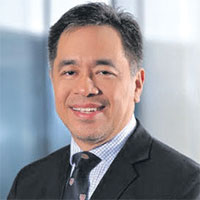
***The views expressed herein are his own and do not necessarily reflect the opinion of his office as well as FINEX. For comments, email benel_dba@yahoo.com. Photo is from Pinterest.