

Reynaldo C. Lugtu, Jr. l December 12, 2024 l Manila Bulletin
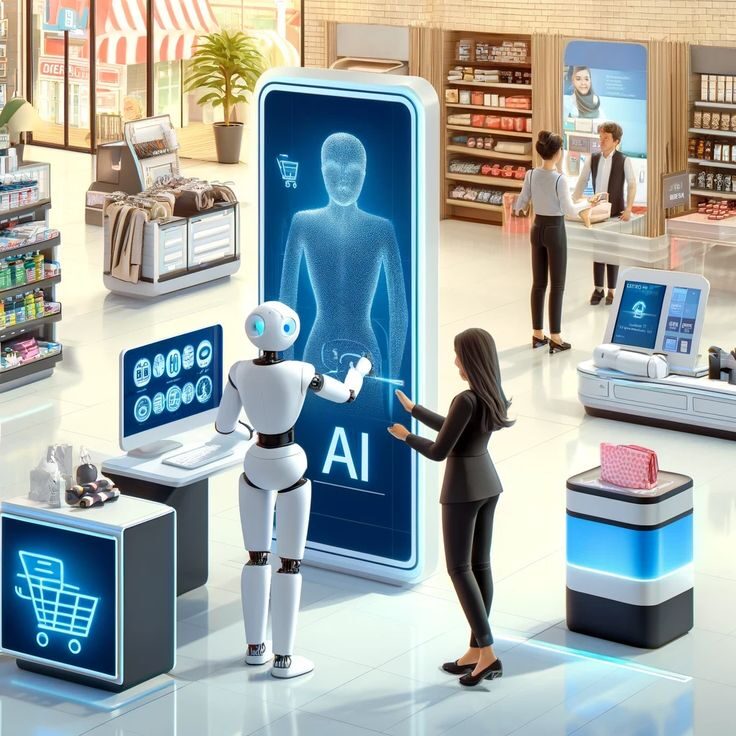
On a breezy December evening in Manila, a young professional stares at her phone, puzzled about what to give her family for Christmas. She types into ChatGPT, “What are affordable gift ideas for a Filipino family during the holidays?” In seconds, the AI suggests a range of ideas: locally made delicacies like a basket of dried mangoes and specialty coffee, personalized items such as engraved keychains or mugs, and experiences like movie passes or family outings to a theme park. The response is tailored not just to her question but to the cultural context of Christmas in the Philippines, where family and thoughtful gestures take precedence over lavish spending. This interaction showcases the growing role of AI in how consumers are navigating decisions, especially during the festive season.
The rise of the AI-enabled consumer is unmistakable, and in a country like the Philippines, where digital adoption is thriving, its impact is palpable. AI tools such as ChatGPT have become everyday companions for many, revolutionizing how people search for and evaluate products. In fact, the Philippines is among the top users of ChatGPT, ranking fifth globally.
The bustling holiday season, with its flurry of shopping, gift-giving, and planning, amplifies this reliance on AI. Instead of sifting through endless lists of gift ideas or braving the crowded shopping malls, many Filipinos now turn to AI-powered tools to simplify their holiday preparations. A parent, for example, might ask ChatGPT, “What’s the best educational toy for a 7-year-old?” The AI may recommend products from nearby internet retailers, highlighting attributes like interactive learning modes, robustness, and safety regulations—all the while offering links for simple purchases.
Beyond gift ideas, AI tools are assisting Filipino consumers in making well-informed decisions by offering detailed comparisons. With the popularity of gadgets and electronics as holiday gifts, many shoppers seek advice on the best smartphones, tablets, or gaming consoles within their budget. A shopper asking, “Which smartphone under PHP 15,000 is best for gaming?” receives a tailored response highlighting specifications, user reviews, and availability from e-commerce platforms like Lazada or Shopee. This approach saves hours of manual research and ensures that consumers feel confident about their choices.
Filipino consumers also use AI tools to navigate the dynamic world of discounts and deals, which peak during the holiday season with events like 12.12 sales. AI-powered tools help shoppers track price drops, compare deals, and even calculate total savings. A student looking to stretch their budget might ask, “Where can I find the cheapest headphones this Christmas?” The AI can point out ongoing promotions or bundle deals and provide tips like utilizing free shipping vouchers or cashback rewards. This ability to maximize savings resonates strongly in the Philippines, where affordability is a key driver of purchasing
decisions.
The integration of AI into holiday shopping also extends to supporting consumers in making ethical and sustainable choices. With the growing awareness of environmental issues, many Filipinos now seek gifts that are eco-friendly or support local artisans. A query like, “What are sustainable Christmas gift options in the Philippines?” could prompt the AI to suggest items such as reusable bamboo utensils, handmade bags from indigenous communities, or organic skincare products. By providing insights into the origins and impacts of these products, AI empowers consumers to align their purchases with their values.
Holiday shopping in the Philippines isn’t solely about gifts; it’s also about food and celebrations. AI has found its way into meal planning and preparation, helping Filipino families craft the perfect Noche Buena feast. Someone might ask, “What are easy recipes for a budget-friendly Noche Buena?” The AI could recommend a simple yet festive menu, featuring classics like spaghetti, ham, and leche flan, with suggestions for ingredient substitutions to save costs. It could also guide users on where to buy ingredients at the best prices, considering local markets or supermarket promotions. This utility underscores how AI tools have become integral in managing holiday traditions while easing the pressures of time and cost.
The influence of AI extends beyond shopping to broader decision-making, including travel plans. During the holidays, many Filipinos participate in the traditional “balikbayan” season, where families reunite, often involving travel to provinces or abroad. AI assists consumers in finding affordable fares, booking accommodations, and planning itineraries. A traveler asking, “What’s the best way to spend Christmas in Baguio?” may get a thorough response including must-see locations, such as Burnham Park and the night market, along with advice on how to handle crowds during busy times.
While the convenience AI offers is undeniable, its rise also brings challenges. Filipinos, like other consumers worldwide, must be discerning about the recommendations AI provides. The data driving these suggestions may sometimes be incomplete or biased, particularly when it comes to emerging trends or hyper-local preferences. For instance, a product highly rated in Metro Manila may not be as accessible or relevant in rural areas. Consumers must strike a balance, using AI as a guide rather than a definitive authority.
The AI-enabled consumer also faces questions about how much personalization affects autonomy. AI learns from previous interactions, tailoring suggestions based on past queries. While this customization is helpful, it can inadvertently limit the diversity of options presented. A shopper who consistently searches for budget-friendly items, for instance, might miss out on premium deals that offer better long-term value.
Despite these considerations, the AI-enabled consumer is becoming a defining feature of modern Filipino life. In a country where the spirit of Christmas is deeply ingrained, AI tools provide a way to embrace tradition while leveraging technology for efficiency and personalization. From finding the perfect gift to orchestrating a memorable celebration, AI is reshaping the way Filipinos experience the holidays. As this trend continues to evolve, it underscores the potential of AI to make life easier, more informed, and deeply connected to what matters most: family, community, and the joy of giving.
*** The author is the Founder and CEO of Hungry Workhorse, a digital, culture, and customer experience transformation consulting firm. He is a Fellow at the US-based Institute for Digital Transformation. He is the Chair of the Digital Transformation IT Governance Committee of FINEX Academy. He teaches strategic management and digital transformation in the MBA Program of De La Salle University. The author may be emailed at rey.lugtu@hungryworkhorse.com
“The views and opinions expressed above are those of the author and do not necessarily represent the views of FINEX”. Photo from Pinterest,