
March 20, 2026 l The Manila Times
February is homecoming month for school alumni across the country. In my case, it was reconnecting with schoolmates at St. Scholastica’s College Manila, where I attended elementary and high school.
It was like doing a speed date to catch up on what has happened in the past 25 years or so. From all the conversations, I have come to realize that women’s multiple roles in their respective families are indeed very challenging. To be described as “ilaw ng tahanan,” the guiding light of the home, is a fitting analogy.
In several studies, the World Bank Group has highlighted the correlation of a mother’s education to a child’s survival, success in school, health and nutrition, and economic sustainability. Data showed that a child is 50 percent more likely to survive past age 5 when born to literate mothers. The higher the educational attainment of a mother, the higher the likelihood a child will be enrolled in primary school and onward. Higher education among mothers also translates to higher cognitive skills for their children and higher productivity and earnings potential for children in the future.
Gender gap
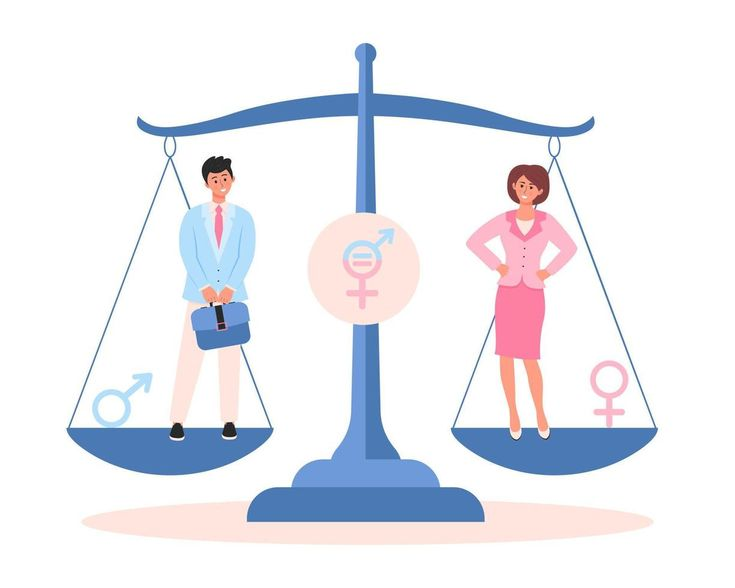
Today, despite increased awareness and concrete actions to address the gender inequality or gap, there is still much that can be done to empower women. According to the World Economic Forum, in 2022, the global gender gap has been closed by 68.1 percent. At the current rate of progress, it will take 132 years to reach full parity.
In the Philippines, we have strong laws that protect women like the Magna Carta of Women, which promotes women’s rights, and the Family Code.
Unfortunately, this is not the case in some countries. In the worst instances, women are not even allowed to own real property.
According to an OECD (Organization for Economic Cooperation and Development) global study, women spend more hours than men performing domestic chores. Such constraints can result in less time for women to engage in small business or employment to support the family.
To further close the gender gap, we need to understand and address the challenges women face. These include access to finance and financial products.
Much has been done by both the government and private sector. Sadly, much of the gains in financial inclusion were offset by the challenges caused by the pandemic.
This is now again at risk with the geopolitical situation. We need to sustain the effort by making financial products accessible and more affordable through sachet approach, among others. This includes insurance, savings and loans.
Another area of challenge for women is access to technology. There is a high percentage of women owning mobile phones globally. Government and private companies should continue to bring products and services through most used technology by women, including mobile phones, to scale and reach more women.
Every March, the world celebrates W2, or International Women’s Month and World Water Day. There is a clear intersection between women empowerment and water. According to the United Nations Children’s Fund, with billions of people still lacking access to safe water, 200 million hours are spent by women daily to collect water.
These women do not have a chance to become productive members of society. Their families cannot break the cycle of poverty. As simple as going back to the basics, focusing on a basic human need like water can empower women. With sustainable access to safe water, time spent on fetching water can enable women to shift to other value-added roles in the household.
Women are critical drivers of the economy. Creating an opportunity for one woman is helping the rest of her family. In these challenging times, women can be a guiding light to lead families toward sustainability and inclusive growth.
***The views expressed herein are her own and do not necessarily reflect the opinion of her office as well as FINEX. For comments, email gsantosifc@gmail.com. Photo is from Pinterest.