

June 5, 2026 l The Manila Times
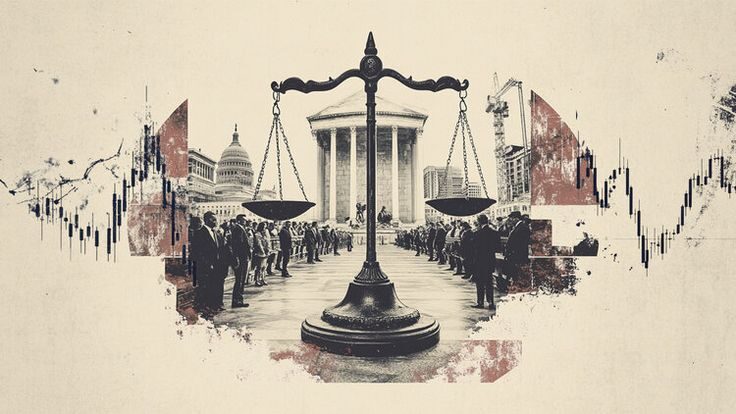
In discussions about the economy, we often hear two terms: fiscal policy and monetary policy. These affect our daily lives more than most people realize — influencing expenses, jobs, loans, and overall business confidence.
Fiscal policy refers to government spending and taxation, while monetary policy refers to how the central bank manages inflation, money supply, and interest rates.
Fiscal policy is led by the national government through the budget. Spending on infrastructure, education, health care, agriculture, or social programs is fiscal policy in action. Increasing or reducing taxes is also fiscal policy.
Fiscal policy directly injects money into the economy. When government builds roads, airports, railways, and schools, it creates jobs, improves productivity, and generates business opportunities. Workers earn income, businesses gain revenues, and economic activity increases.
This is why government spending remains an important driver of gross domestic product (GDP). Government consumption accounts for roughly 10 to 12 percent of GDP, while infrastructure investments under the “Build Better More” program continue to support economic activity.
However, fiscal policy must also be disciplined. Excessive spending without sufficient revenues can lead to larger deficits and rising debt. In 2025, the national government debt exceeded P16 trillion. Debt itself is not necessarily bad, but borrowed funds must create long-term economic value and productivity.
On the other hand, monetary policy is managed by the Bangko Sentral ng Pilipinas (BSP). Its primary responsibility is to maintain price stability, which means keeping inflation under control. The BSP does this by adjusting interest rates.
When inflation is high, the BSP raises interest rates to slow down spending and borrowing. Higher rates make loans more expensive, reducing demand in the economy and helping ease inflationary pressures.
But higher interest rates can also weaken investments, reduce consumer spending, and slow economic growth.
More importantly, monetary policy is less effective against supply-driven inflation such as rising food prices, power costs, and global oil shocks. Raising interest rates will not immediately produce more rice, lower electricity prices, or resolve supply chain disruptions.
This is why there is limited headroom for monetary policy to continue bearing most of the burden of supporting the economy, underscoring the need for fiscal policy to play a larger role.
With interest rates already elevated for an extended period, relying heavily on monetary tightening risks slowing growth too much. Businesses become more cautious, financing costs rise, and consumers delay spending. Over time, this can weaken job creation and private sector confidence.
The disappointing 2.8-percent GDP growth in the first quarter is a reminder that growth cannot be taken for granted. Delays in budget implementation and slower public spending contributed to weaker economic activity at a time when businesses and consumers were already becoming more cautious.
With the government still targeting 5 to 6 percent growth for the full year, public spending needs to accelerate meaningfully in the succeeding quarters.
The priority, however, should not be spending for the sake of spending. The focus should be on areas that support growth and address inflation.
Accelerating infrastructure projects can create jobs and improve productivity. Investments in agriculture, irrigation, logistics, and food supply chains can help ease food inflation. Increased spending on energy security can reduce the economy’s vulnerability to external shocks. Education and health care investments can strengthen the country’s long-term competitiveness.
Good fiscal policy can therefore help address some of the root causes of inflation while still supporting economic growth.
Ultimately, economic management is about balance and credibility. Monetary policy preserves stability and confidence. Fiscal policy creates opportunities and drives development. One controls inflation while the other expands the economy’s productive capacity.
The call to action is clear. The Philippines cannot rely on monetary policy alone. The next phase of economic management must come from more proactive, disciplined, and well-executed fiscal policy.
The challenge is no longer simply approving budgets. It is executing them quickly, transparently, and productively. The government must move quickly for the Philippines to achieve its growth ambitions.
***The views expressed herein are his own and do not necessarily reflect the opinion of his office as well as FINEX. For comments, email eaquahiansen@phinma.com.ph. Photo is from Pinterest.